1 hr 15 min
Budapest Danube Cruise with Unlimited Drinks
- Entry ticket
- Mobile voucher
- Valid same day
- Free cancellation
Danube River Cruise — Multi-Day Voyages Through Central Europe
Ten countries, four capitals, a thousand years of empire carved into limestone banks
Compare fares, pick the fit — all bookings are mobile-voucher and eligible for free cancellation where shown.
1 hr 15 min
1 hr
1 hr 50 min
| Experience | Duration | Rating | Audio guide | Free cancel. | Price | |
|---|---|---|---|---|---|---|
|
Standard Entry
Most popular
Budapest Danube Cruise with Unlimited Drinks
|
1 hr 15 min | ★ 4.8 | — | ✓ | $29 | Book → |
|
Standard Entry
Budapest River Danube Sightseeing Cruise
|
1 hr | ★ 4.6 | — | ✓ | $18 | Book → |
|
Standard Entry
Evening River Cruise with Complimentary Drink
|
1 hr 50 min | ★ 4.4 | ✓ | ✓ | €11 | Book → |
They complement each other; most visitors who do both call the land-based rail tour the more flexible option for independent explorers, while the danube river cruise offers a more relaxing pace for those seeking consistent waterfront views.
|
Top pick River Cruise |
Rail Tour | |
|---|---|---|
| Mode of transit | River vessel | High-speed train |
| Daily pace | Slow and steady | Fast and independent |
| City center access | Port-side docking | Central station arrival |
| Scenery immersion | Constant water-level perspective | Varied landscape vistas |
| Packing/Unpacking | Once for entire trip | Required at each stop |
| Transportation flexibility | Fixed route schedule | Customizable itinerary |
| See tickets & prices |
Verdict: Choose danube river cruise tours if you prefer to unpack once and enjoy scenic passage through central european landmarks, or select rail travel when you require maximum control over your daily danube river cruise tickets and schedule.
Hand-picked experiences loved by thousands of travelers
1 hour
Free Cancellation
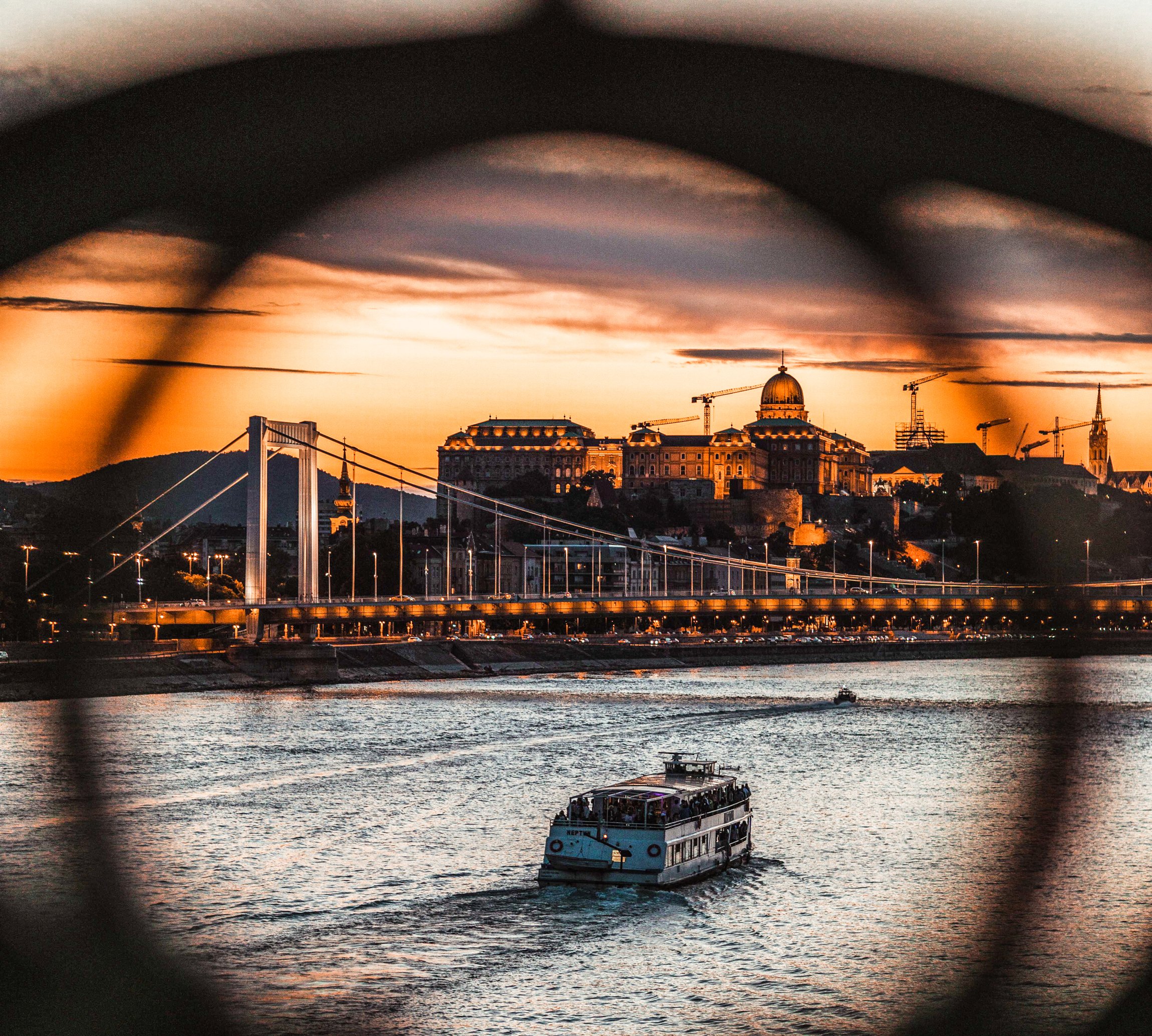
Glide along the Danube and admire Budapest's iconic bridges, palaces, and hillside monuments from the water
1 hour
Free Cancellation
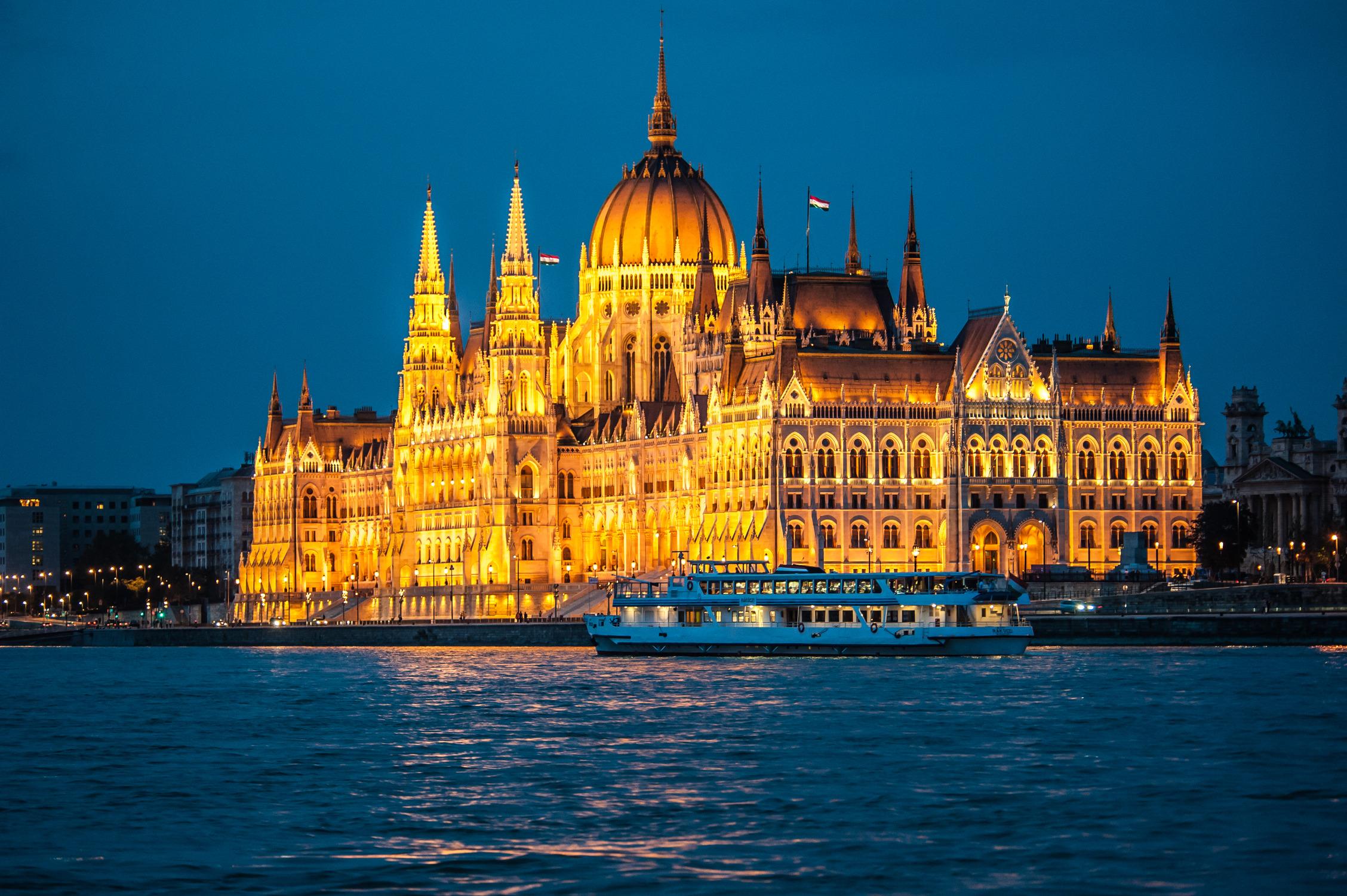
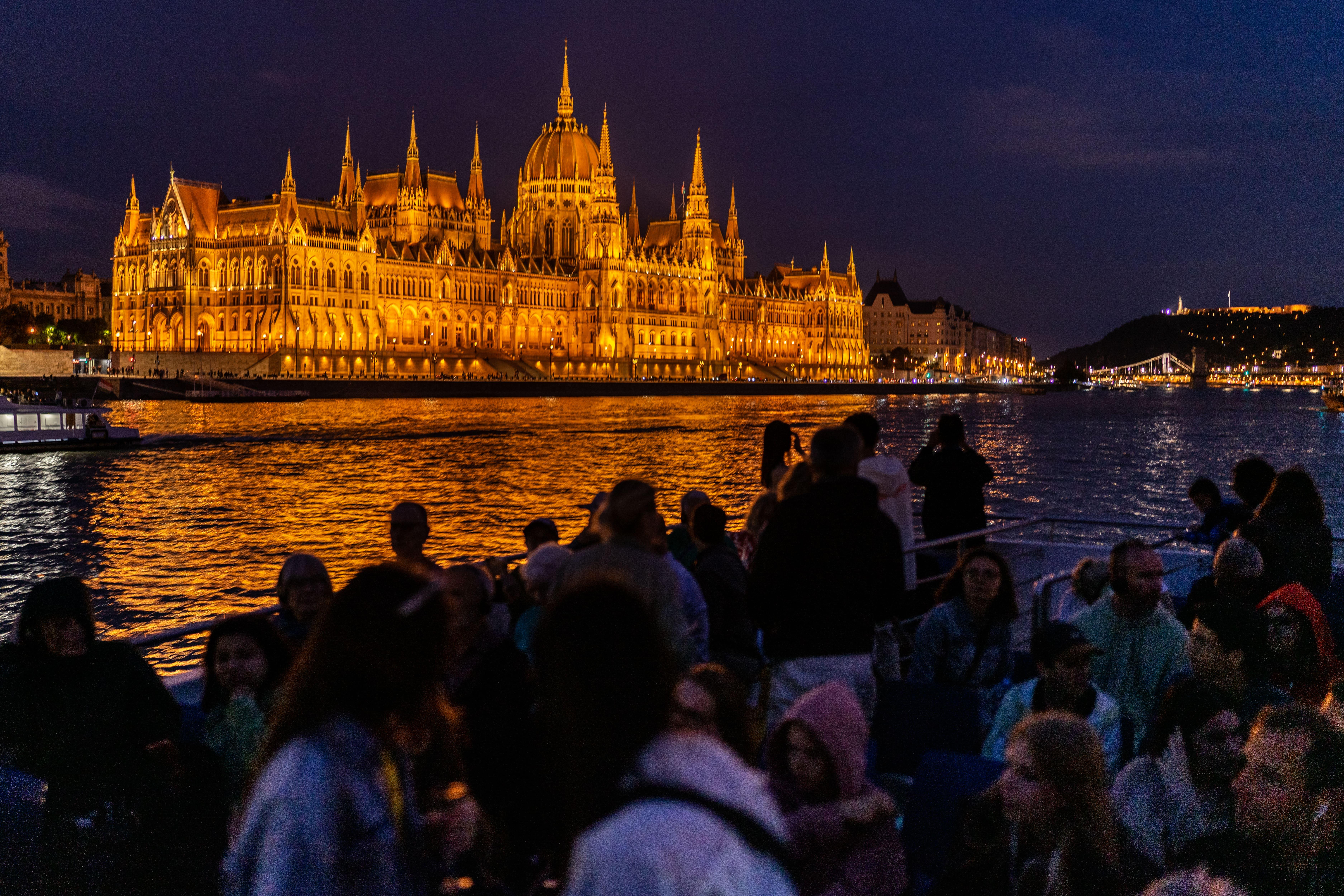
Glide along the Danube at dusk and witness Budapest's illuminated landmarks from the water
75 minutes
Free Cancellation
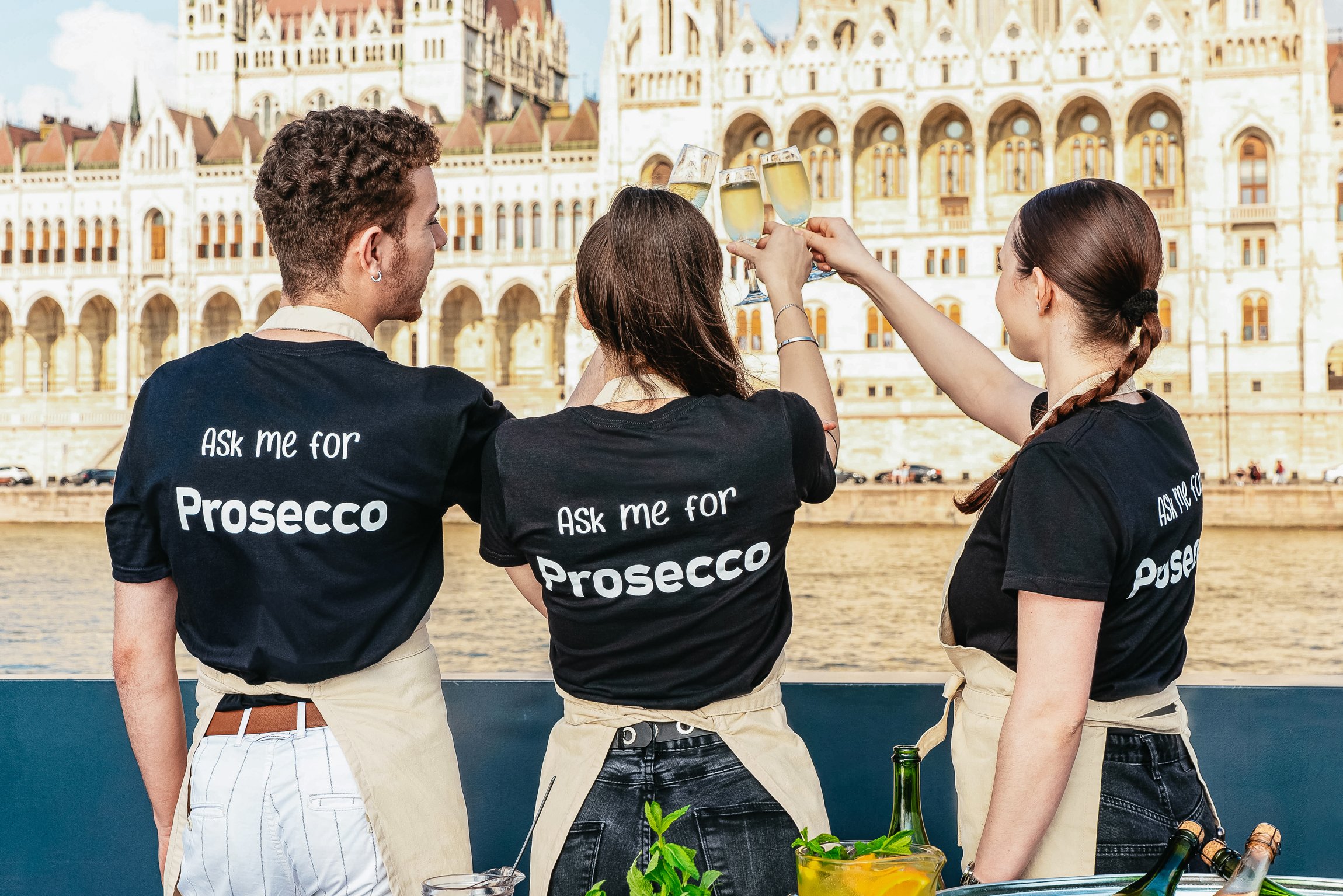
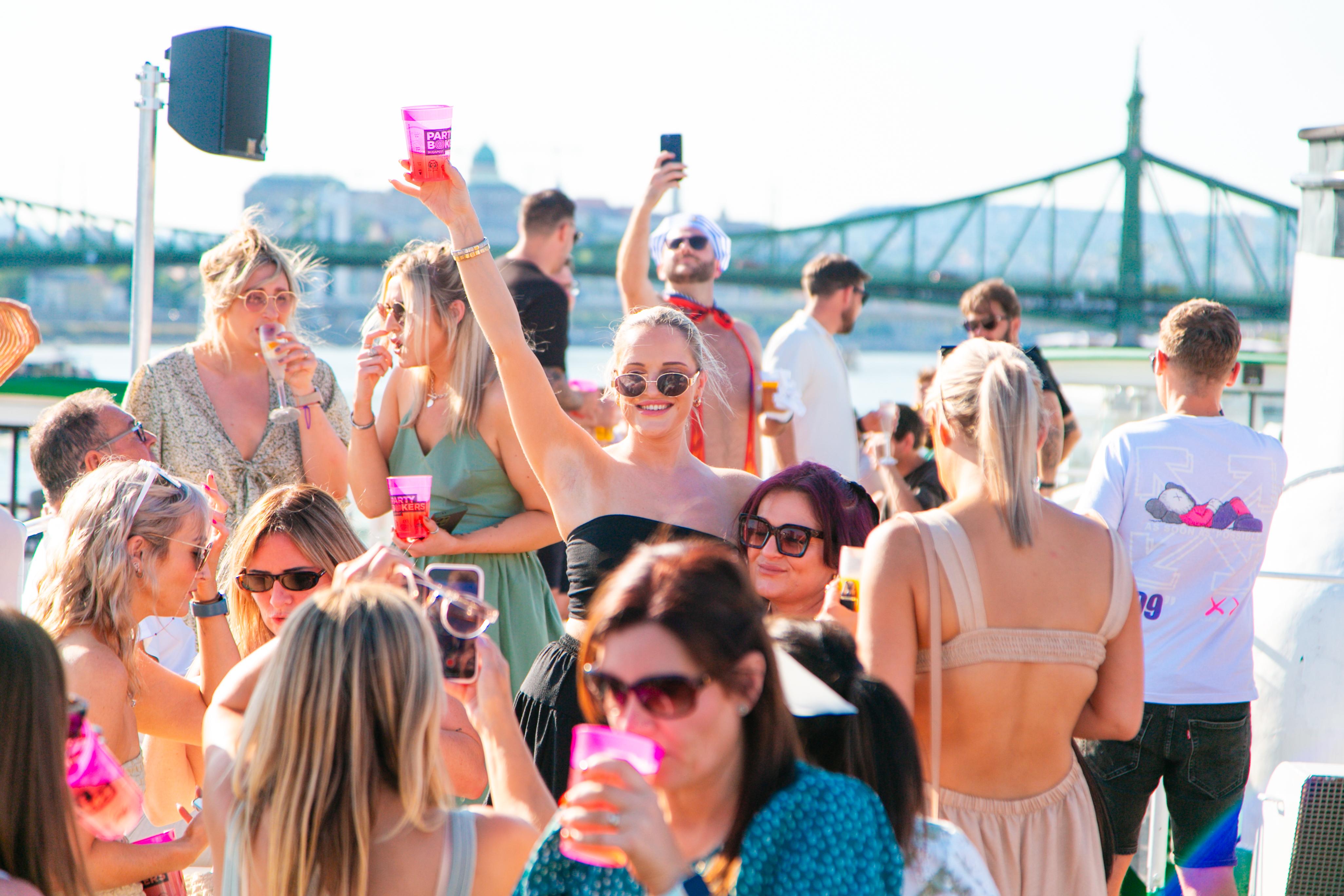
Sail past Budapest's illuminated landmarks while sipping unlimited Aperol, Prosecco, and cocktails
1.5 hours
Free Cancellation
Sail past Budapest's illuminated monuments while enjoying bottomless drinks on this evening river journey
1.5 hours
Free Cancellation
Sail the Danube aboard a historic paddle steamer with traditional soup, lángos, and live folk entertainment
50 minutes
Free Cancellation
Relaxed 50-minute Danube cruise with guaranteed open-air seating and BYOB policy
2.5 hours
Free Cancellation
Sail the Danube with unlimited drinks, live entertainment, and a seasonal buffet while Budapest's landmarks glow
2.5 hours
Free Cancellation
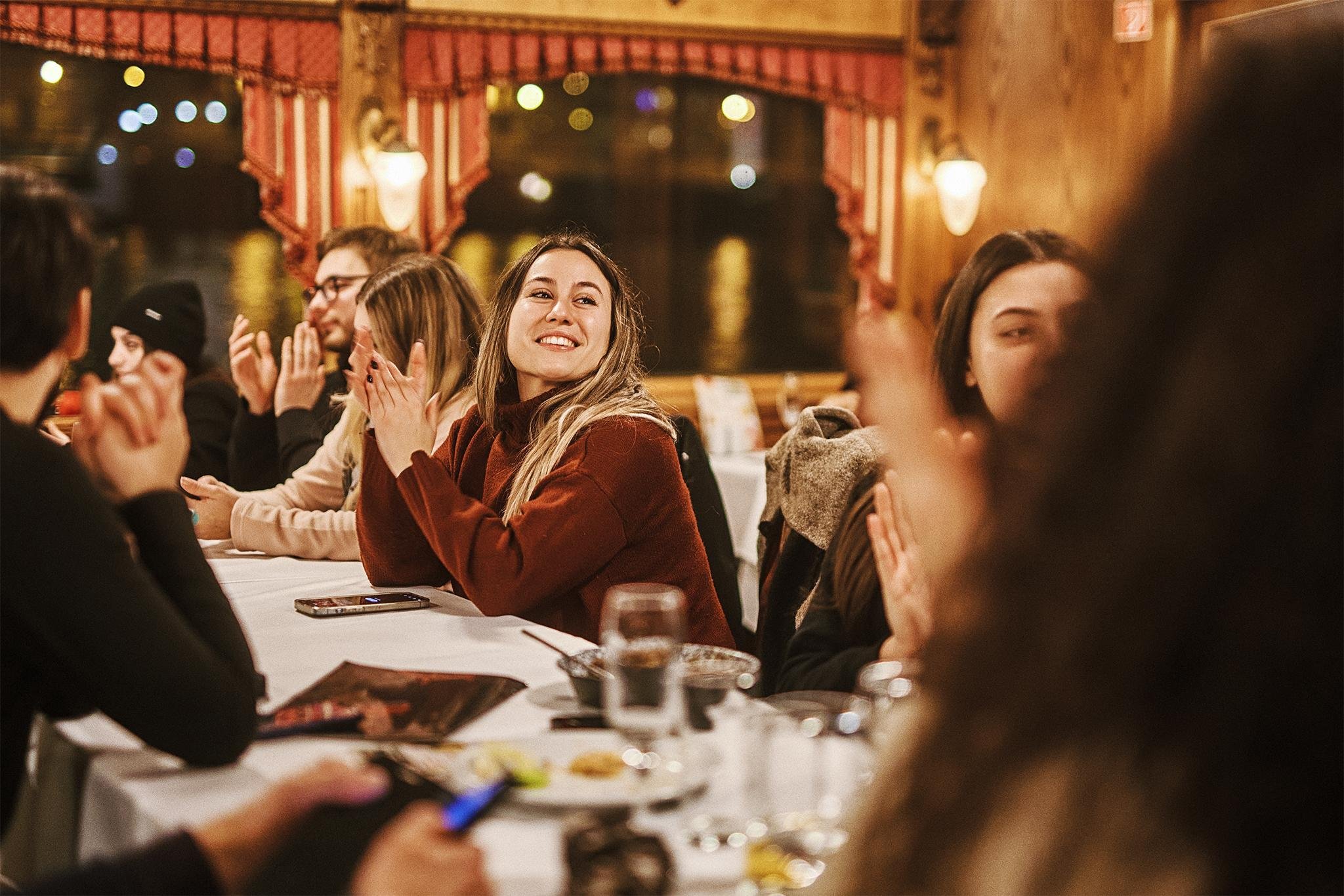
Savor a multi-course meal on an elegant river vessel while floating past Budapest's illuminated landmarks
Arrival at designated river pier
Safety briefing and port departure
Sightseeing along the water
Disembarkation at the destination port
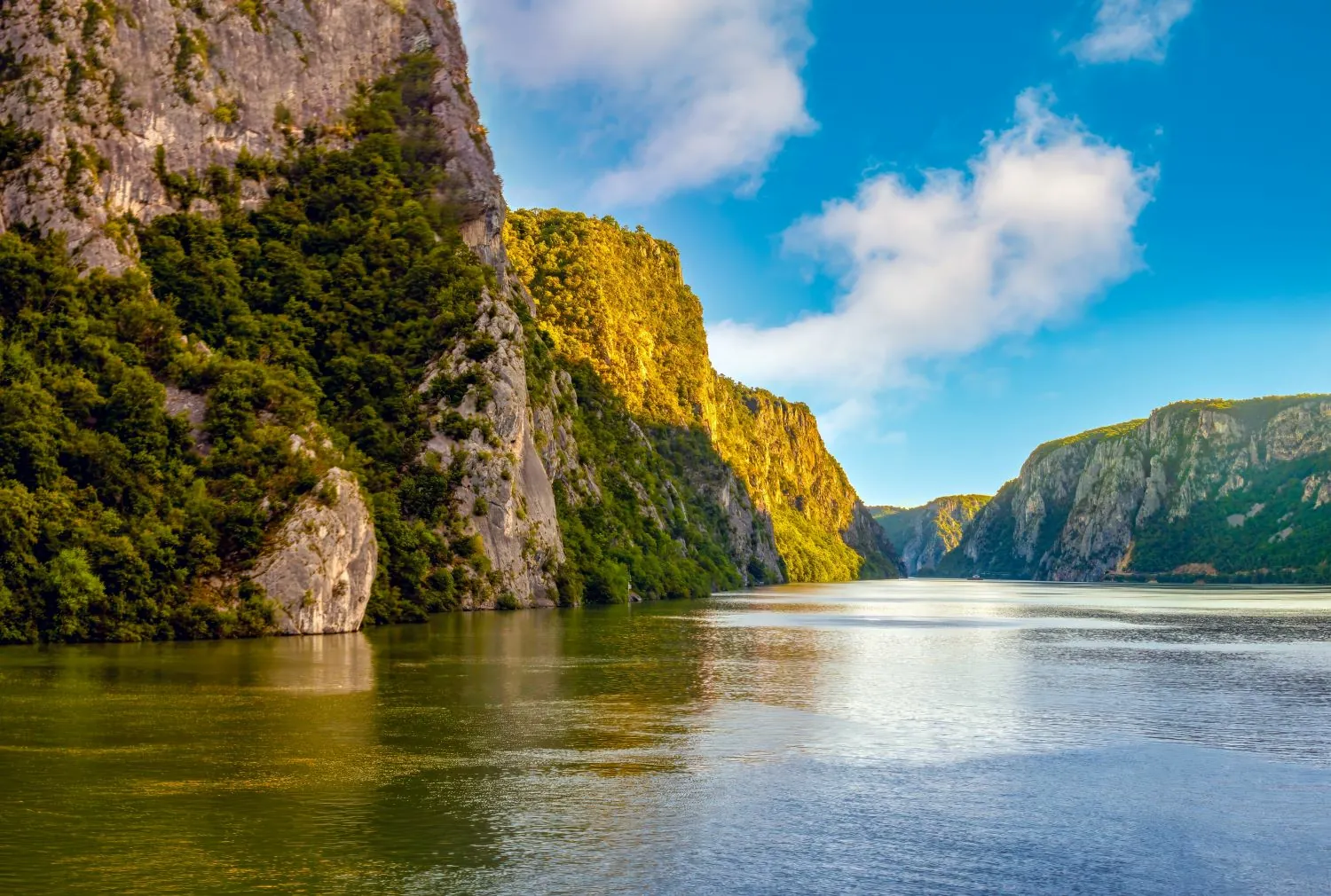
This narrow passage features steep cliffs rising from the river water. It is a vital navigational point for any river journey.
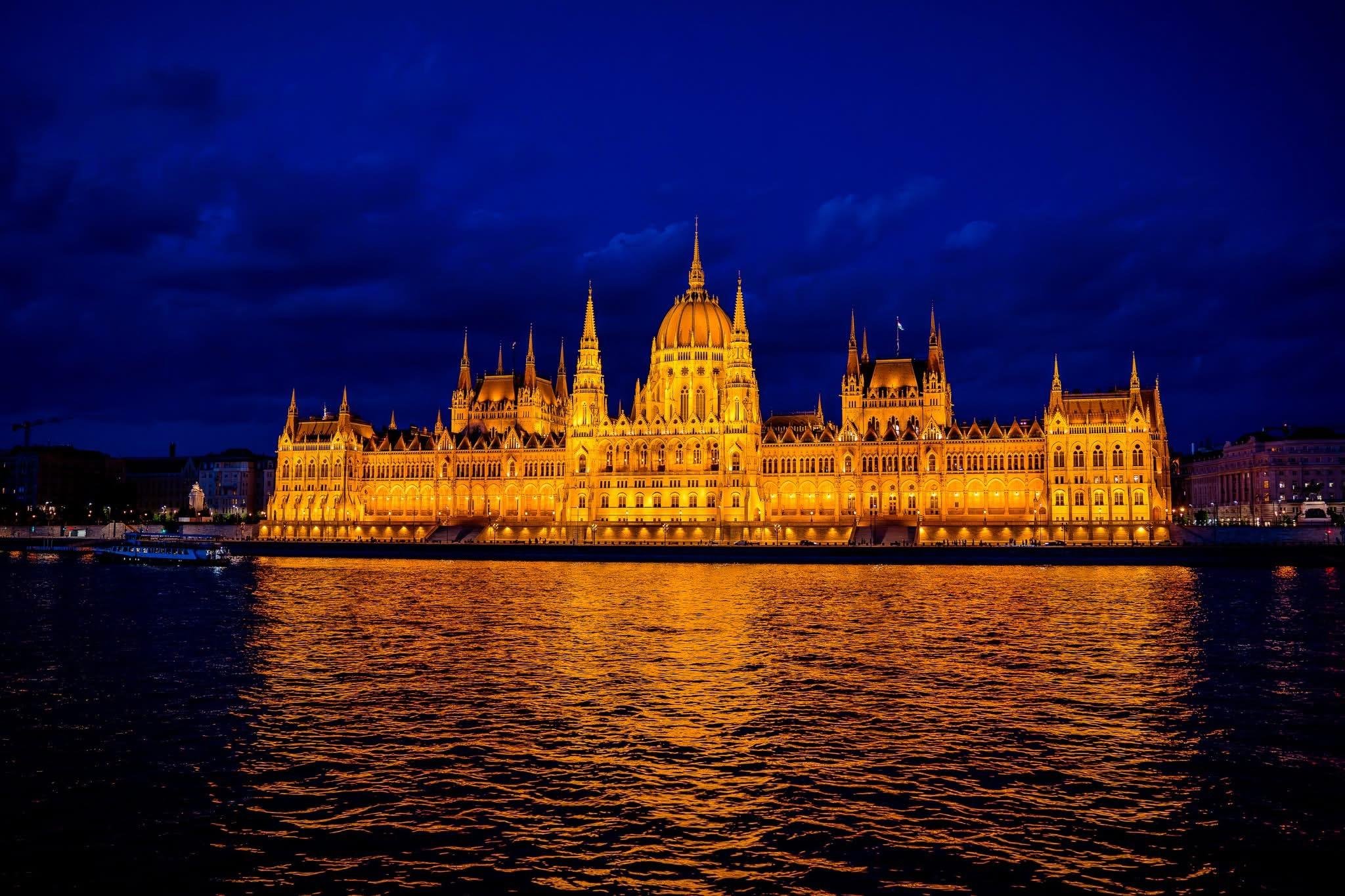
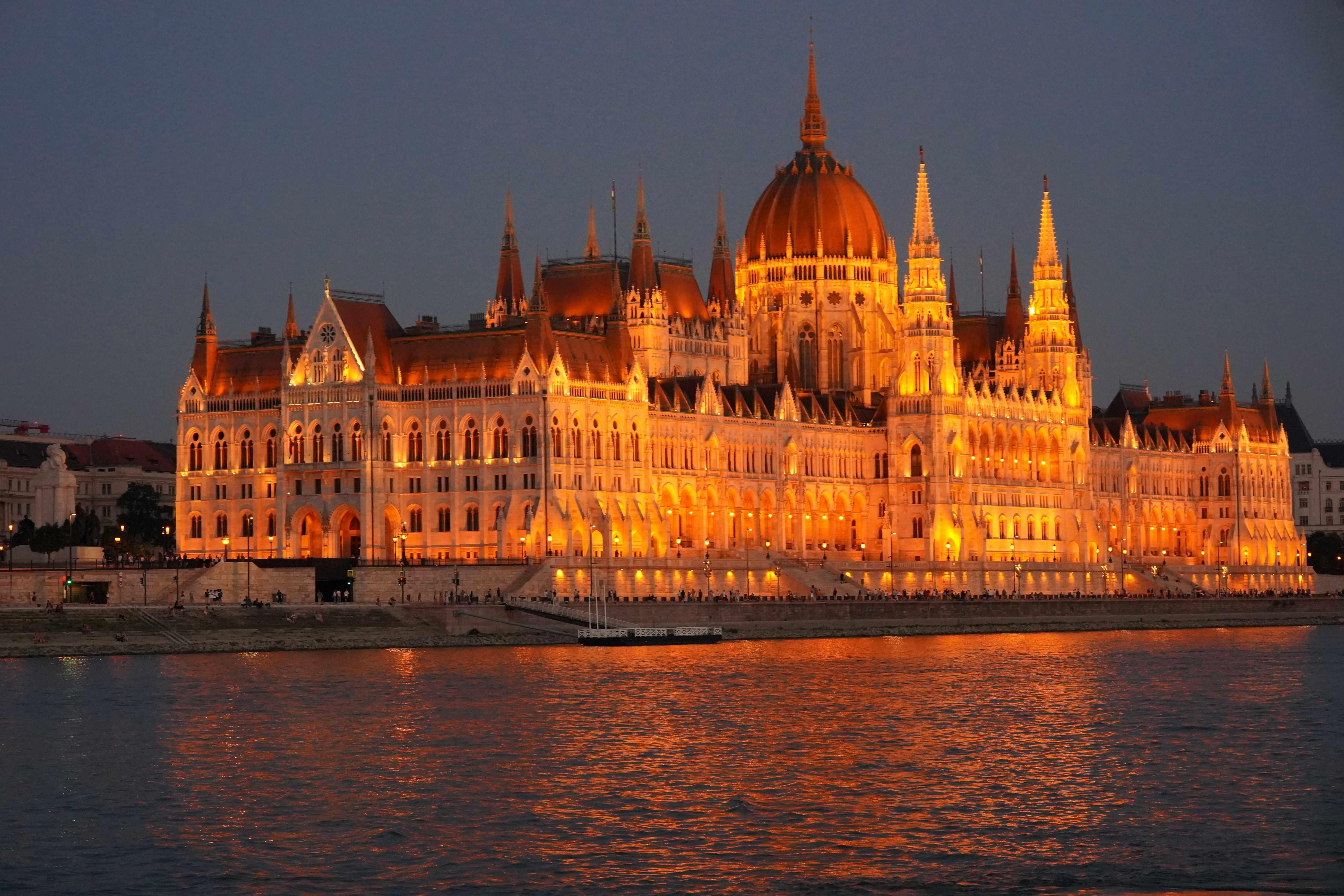
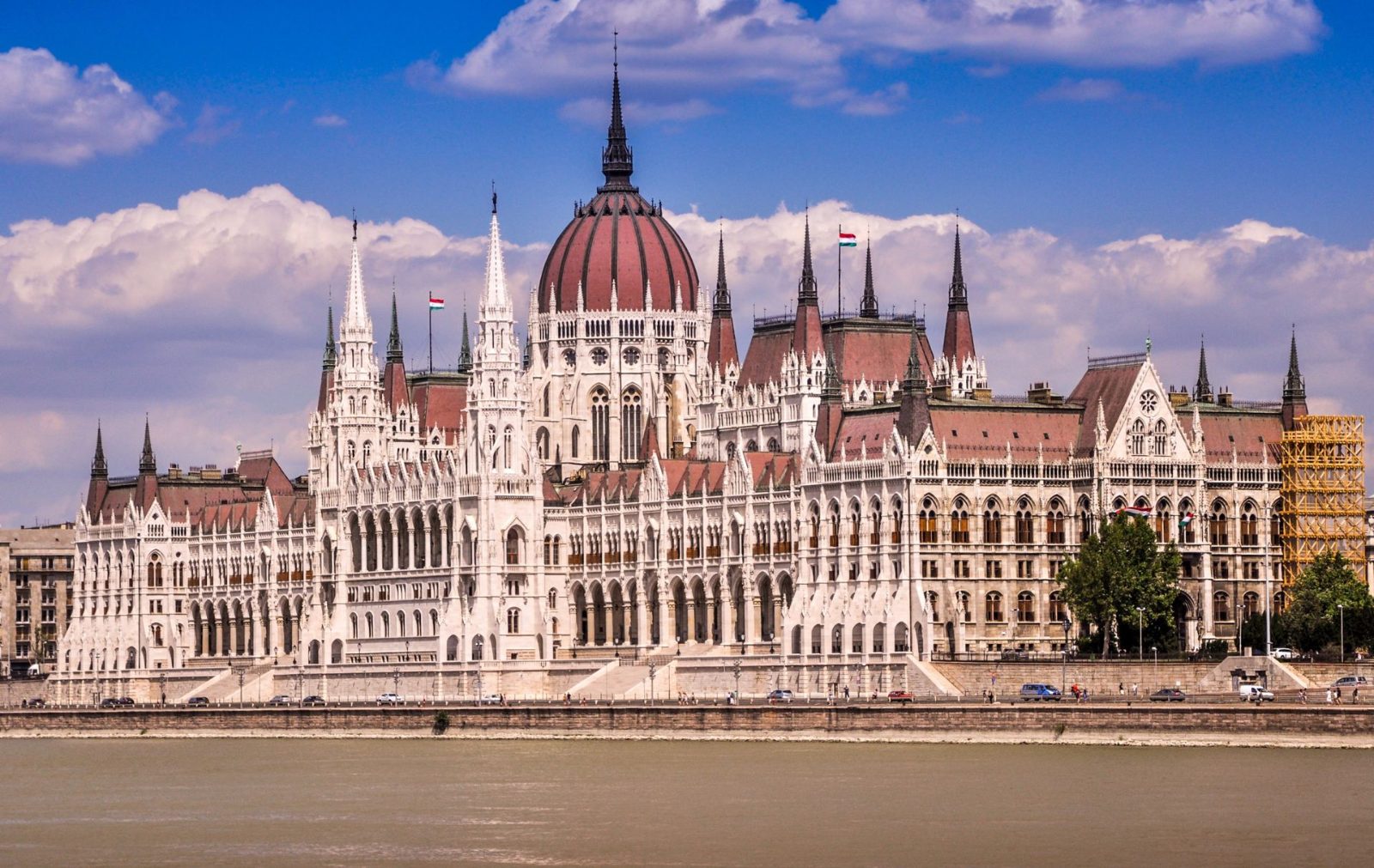
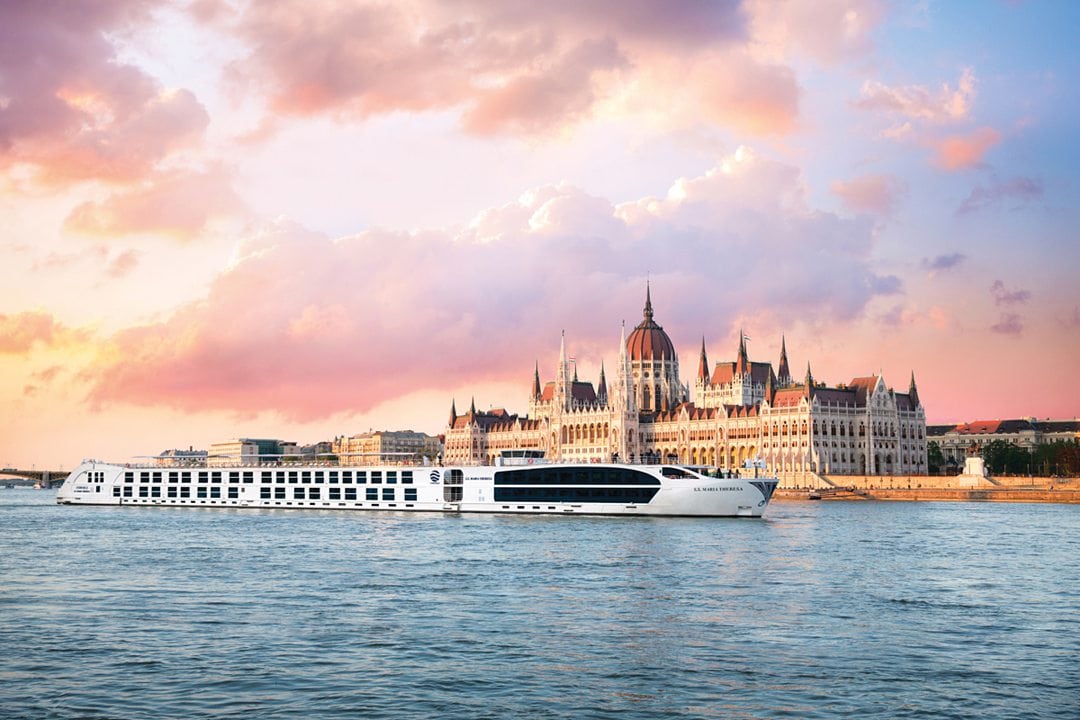
This massive structure displays intricate Gothic revival design. It remains a focal point for evening light views.
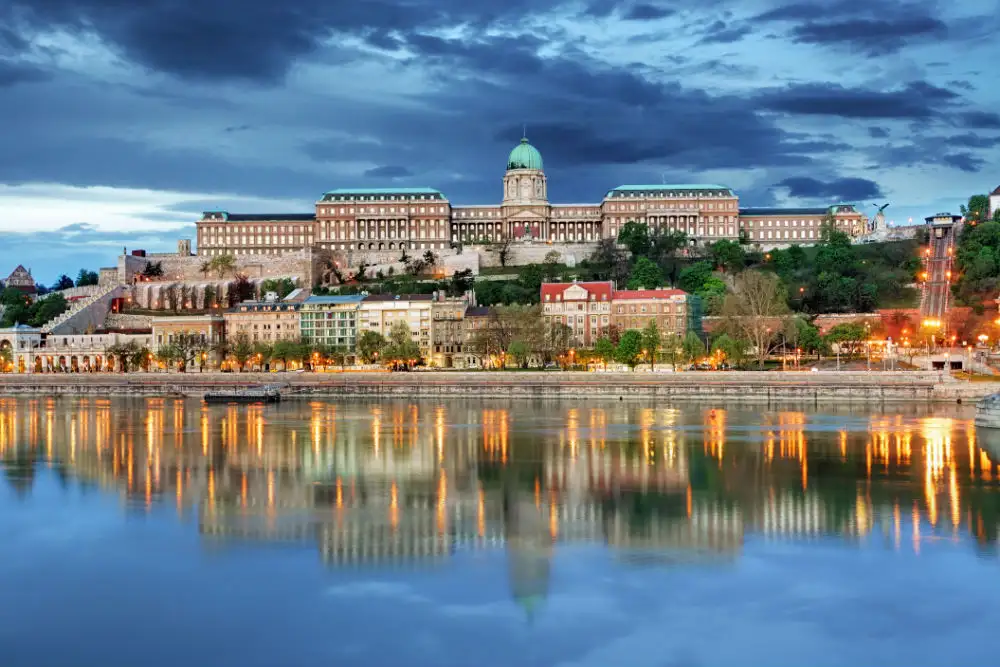
Perched on a hill, this site offers views of the river below. Historical significance is tied to centuries of royal history.
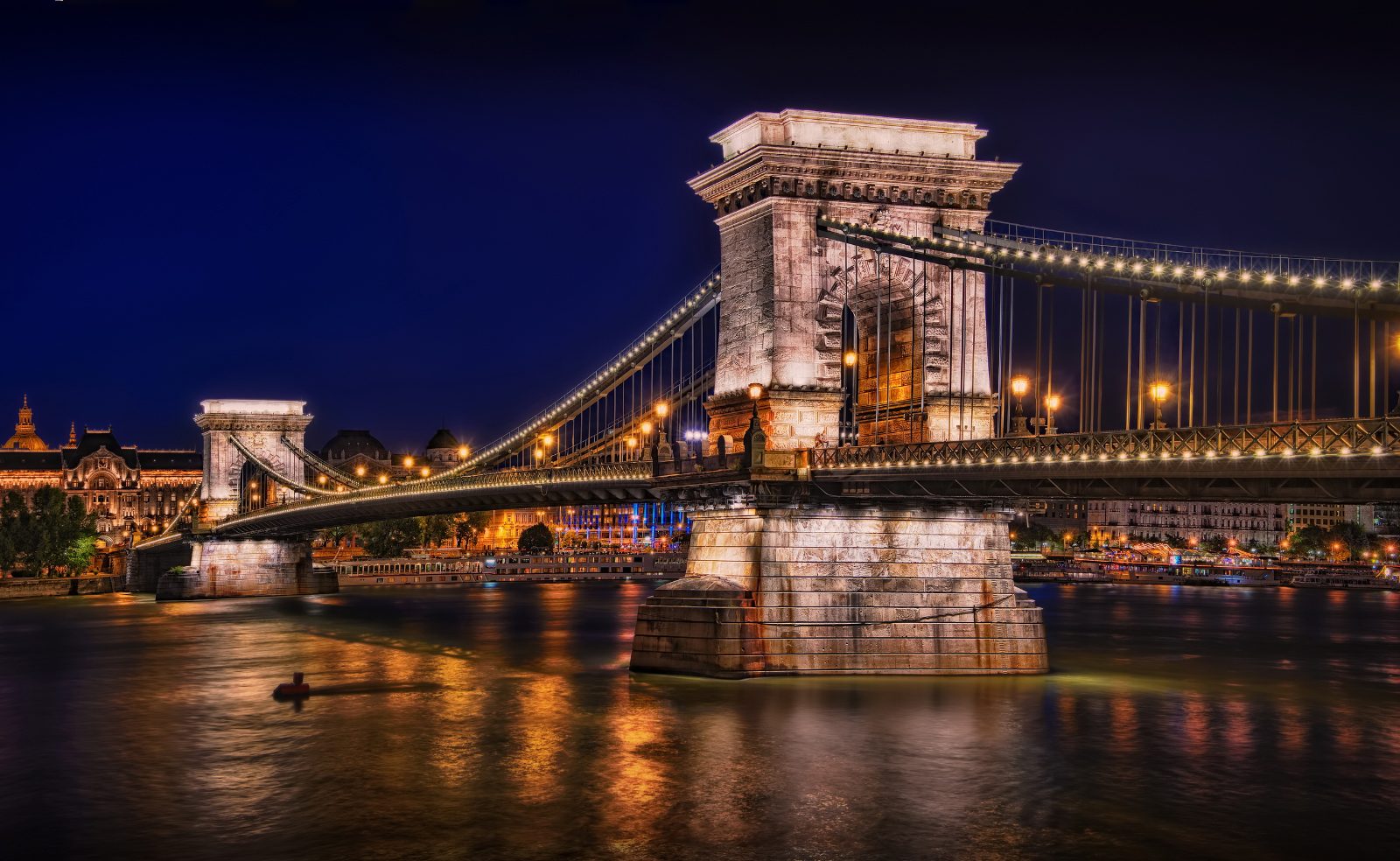
This engineering feat links two sides of a major city. It is often illuminated after dark during excursions.
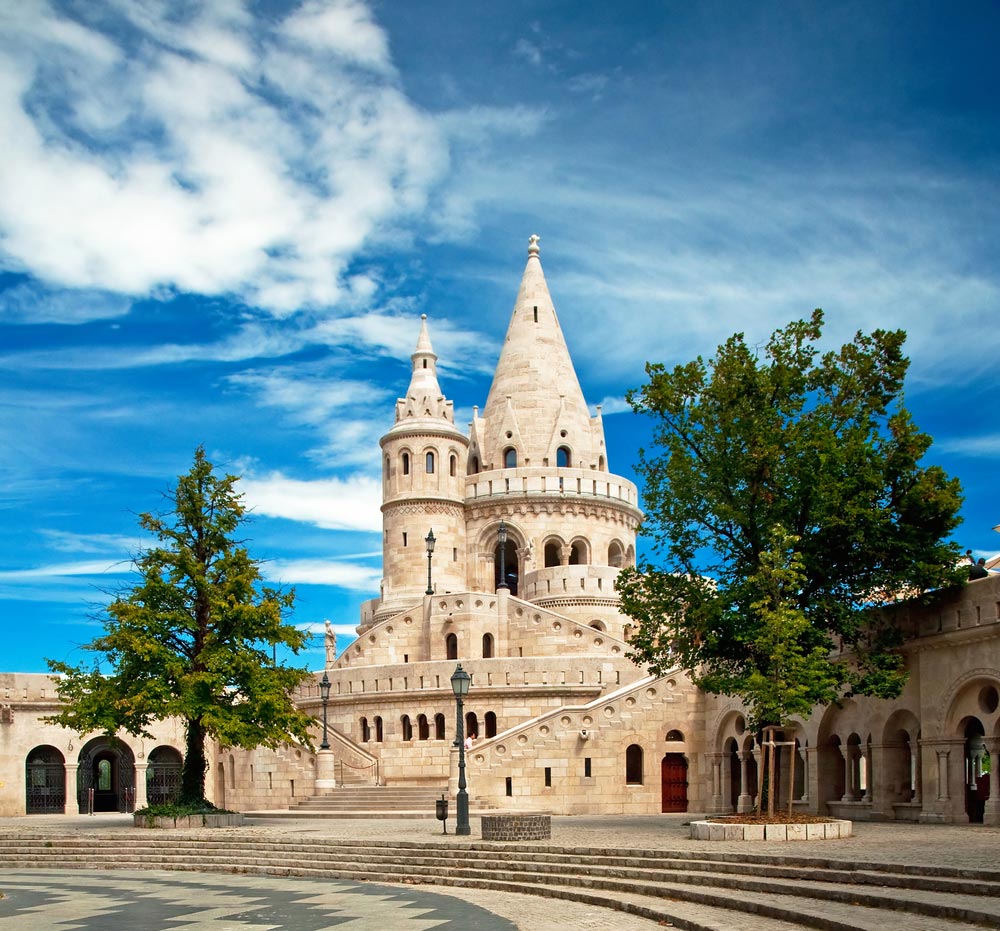
The seven towers represent the seven tribes that founded the nation. It provides a vantage point for river-wide photos.
You board in Budapest at Vigadó terminal, where the ship moors beneath the Liberty Bridge's green ironwork. Your cabin faces the Buda hills; by the time you unpack, the vessel has cleared the city's southern industrial fringe and entered the countryside.
That first evening you stand on the sun deck as the engines idle through Esztergom, the basilica dome lit amber against the Slovak border ridge. Morning finds you in Bratislava, docked below the old town. You walk fifteen minutes uphill to the castle courtyard, then return for departure at eleven.
The rhythm settles: shore excursions before lunch, river transit through the afternoon, evening arrival at the next port. In Vienna you disembark at Reichsbrücke and take the included coach to Schönbrunn. The ship sails at dusk; you watch the Prater Ferris wheel recede as the Danube bends northeast. Wachau day means three stops—Melk's abbey library in the morning, Dürnstein's apricot schnapps tasting after lunch, Krems for a vineyard walk before dinner. The cruise director announces water levels each breakfast: today's gauge reads 145 centimetres at Vienna, well above the reroute threshold. By the time you reach Passau, you have crossed four borders without showing a passport once.
All the details about your upcoming adventure in one place
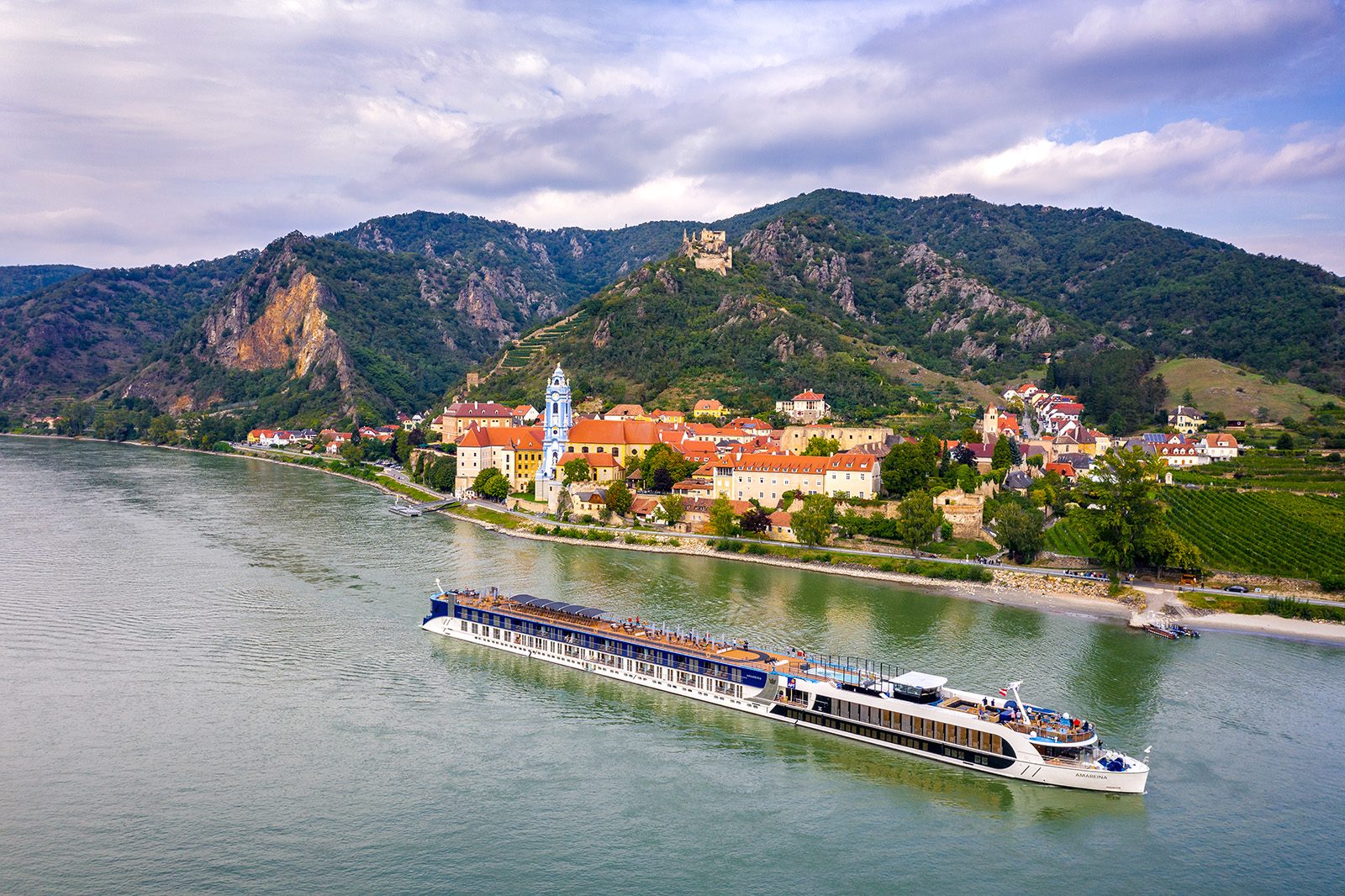
A danube river cruise offers passage through Central Europe's historic waterway, connecting ten countries from Germany's Black Forest to the Black Sea. Danube river cruise tours navigate past riverside castles, medieval towns, and vineyard-clad valleys, with commentary highlighting landmarks along the route. Passengers view Gothic spires, baroque architecture, and UNESCO heritage sites from the water, while onboard services range from open-air decks to dining options depending on vessel type.
The Danube carries more commercial tonnage than any European river except the Rhine, yet its 2,850-kilometre corridor remains the least industrialised major waterway on the continent.
From the Black Forest to the Black Sea, the river threads ten countries and four capital cities—Vienna, Bratislava, Budapest, Belgrade—each port layered with Habsburg palaces, Ottoman fortifications, and medieval trading halls that once controlled the grain and salt routes between Bavaria and the Balkans. Passenger cruising on the Danube began in earnest after 1829, when the first steam packet service linked Vienna to Pest, cutting the horse-drawn barge journey from eleven days to fourteen hours. By the 1960s, Soviet-era hydroelectric projects had tamed the Iron Gates gorge, and modern lock systems opened the river to seagoing vessels as far upstream as Regensburg.
Today's Danube river cruise tours navigate a route shaped as much by drought as by dredging. Summer water levels have dropped an average of forty centimetres since 2003, forcing operators to monitor gauges at Passau, Vienna, and Budapest daily. Low water triggers itinerary shifts: when the Hungarian Danube falls below 130 centimetres at the Nagymáros gauge, ships reroute passengers by coach between Esztergom and Budapest, bypassing the Danube Bend's tightest meanders. The Danube river cruise map now includes contingency ports—Krems, Dürnstein, Melk—where vessels can offload passengers when the main channel shoals. Cancellations remain rare; operators typically switch to smaller vessels or split itineraries rather than cancel outright.
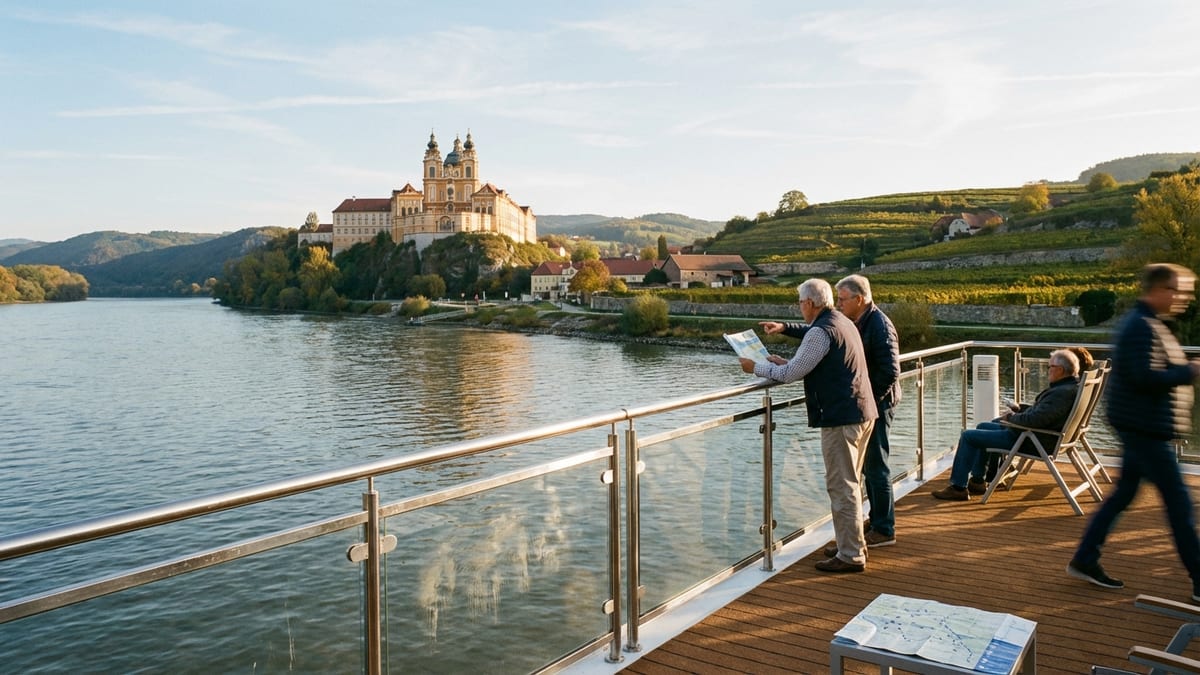
The riverscape itself rewards slower passage. Wachau Valley vineyards tumble down terraced slopes between Melk Abbey's yellow baroque towers and the ruined keep at Dürnstein where Richard the Lionheart was imprisoned in 1192. East of Vienna, the floodplain broadens into Slavic heartland: Slovakia's capital rises on a bluff crowned by a four-towered castle, while Hungary's parliament stretches 268 metres along the Pest embankment, its neo-Gothic spires framing the Chain Bridge. Below Belgrade, the river cuts through the Carpathians in a series of gorges—Kazan, the Iron Gates—where Roman emperors carved victory inscriptions into cliffs now submerged by reservoir lakes. Danube river cruise weather varies sharply by month: April and May bring meltwater surges and cool mornings ideal for walking cobbled old towns; July and August mean low water risk but long daylight for deck watching; September through October offer stable levels and harvest festivals in Austrian wine villages, though fog can delay morning departures.

The Danube carries more commercial tonnage than any European river except the Rhine, yet remains the least industrialised major waterway on the continent.
Casual attire is appropriate for daytime sightseeing during your Danube river cruise tour. Dinner cruises often require smart-casual or formal wear.
Large luggage is often restricted on board for safety reasons during a Danube river cruise. Small day bags are typically permitted at the captain's discretion.
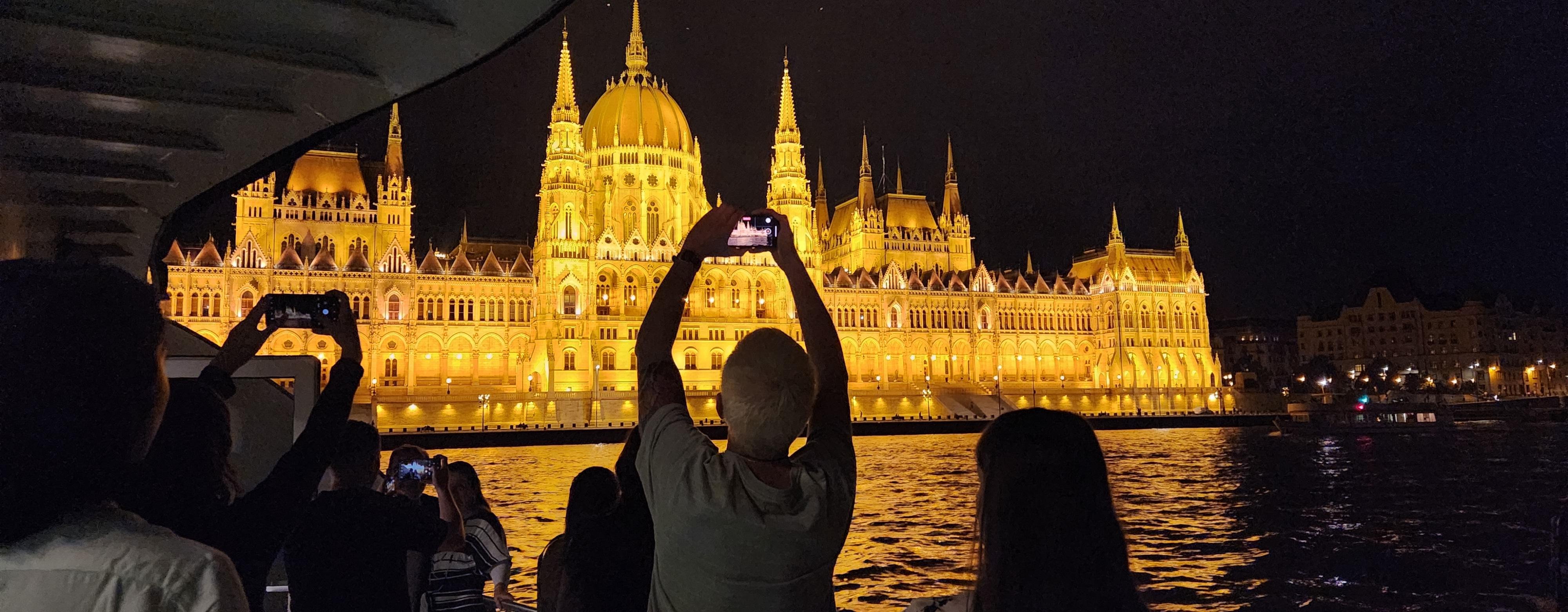
Photography is encouraged throughout your Danube river cruise, allowing for panoramic views of cityscapes. Avoid using professional equipment that may block walkways or obstruct other passengers.
Families are welcome, with many vessels offering specific zones for children. Ensure minors are supervised near railings during the transit.
Many boats provide wheelchair access, though older vessels may have limited facilities. Inquire about ramp availability when booking your Danube river cruise tickets.
Outside food and beverages are generally prohibited on most commercial vessels. Dining options are usually available for purchase on board.
Operating Hours
00:00–23:59
Address
Danube River, Central Europe
Accessibility
Varies by boat and operator
Optimal Arrival
09:00–20:00
Baggage
Check with your operator
Navigation
Available via operator docks
Public transport · Varies · Low cost
Trams and buses frequently serve the riverbank hubs.
Taxi · Varies · High cost
Direct drop-off at major piers is possible in most cities.
Most Danube river cruise operators require cancellation 24 to 48 hours in advance for a full refund. The base Danube River entry is 0 EUR, but service fees apply to specific tickets.
Recommended time
1–8 hours for city sightseeing tours, or 7–8 days for full river voyages.
Selecting the right danube river cruise depends on whether you seek a quick architectural overview or a multi-day immersion into central european history. Opting for a daytime danube river cruise tour provides clear views of iconic landmarks, while evening departures showcase the illuminated riverbanks and historic bridges. Secure your danube river cruise tickets in advance to ensure preferred seating, as popular sunset and night sailings frequently reach capacity.
Crowd levels through the day
Weather · crowds · average price — dots go green to amber to red as each metric rises.
Mild weather and blooming landscapes provide ideal lighting for a Danube river cruise.
Long daylight hours offer extended opportunities for sightseeing from the water.
Cooler temperatures and harvest festivals make September and October popular times for travel.
Holiday markets along the riverbanks offer a unique atmosphere for evening excursions.
Secure your Danube river cruise tickets online to ensure availability. This prevents last-minute sell-outs during peak seasons.
Even in summer, temperatures on the water can be cooler. A light jacket ensures comfort while viewing sights from the deck.
Water levels can impact schedules. Monitor local updates for your specific Danube river cruise date.
Use the recommended 09:00–20:00 window to ensure you reach the pier well before departure. This accounts for potential navigation delays in busy city centers.
The Danube has served as Europe's defining waterway since Roman legions fortified its banks in the first century AD, establishing the river as the empire's northern frontier—the limes Danuvii—stretching from the Black Forest to the Black Sea. For three centuries, garrison towns along this 2,850-kilometer artery evolved into trading posts where Roman merchants exchanged glassware and wine for amber and furs from beyond the border. When the empire collapsed in the fifth century, the river became a corridor for migration: Huns, Goths, and later Slavic tribes followed its course westward, reshaping the demographic and linguistic map of central Europe. By the medieval period, the Danube anchored a network of independent merchant republics and feudal domains. Vienna emerged as a Habsburg stronghold in 1278, leveraging its position at the river's westward bend to control grain shipments from Hungary and levy tolls on salt convoys bound for Bavaria. The Ottoman siege of 1529 turned the lower Danube into a militarized zone for two centuries, with fortified towns like Belgrade and Bratislava serving as bulwarks against further incursions. During this era, Danube river cruise travel was unthinkable; the waterway belonged to armies, not tourists. Steam navigation arrived in 1830 when the Erste Donau-Dampfschiffahrts-Gesellschaft launched the Franz I between Vienna and Budapest, cutting the journey from five days to fourteen hours. By the 1880s, scheduled Danube river cruise tours carried bourgeois travelers past the Iron Gates gorge and into the newly independent Balkan states, transforming the river from a strategic asset into a leisure route. The Congress of Vienna in 1815 had already declared the Danube an international waterway, but it was the advent of passenger steamers that truly opened the river to civilian traffic. Two world wars and the Iron Curtain severed the river's unity for most of the twentieth century. Only after 1989 did the full length reopen to commercial and tourist vessels. The Main-Danube Canal, completed in 1992, linked the river to the North Sea, and today's Danube river cruise tickets grant access to a recovered artery that threads together a dozen nations, from Passau's Baroque towers to the reed-fringed delta where the river dissolves into the Black Sea.
Roman legions fortify the Danube as the empire's northern frontier, establishing garrison towns that evolve into trade hubs.
Vienna becomes a Habsburg stronghold, controlling grain and salt traffic along the river's westward bend.
Ottoman expansion turns the lower Danube into a militarized zone, with fortified towns blocking further incursions.
The steamship Franz I launches between Vienna and Budapest, reducing travel time from five days to fourteen hours.
The Congress of Vienna declares the Danube an international waterway, opening it to multi-national navigation.
Scheduled passenger services begin carrying leisure travelers through the Iron Gates gorge into the Balkans.
The Iron Curtain divides the river, restricting civilian access across Eastern and Western blocs.
Completion of the Main-Danube Canal links the river to the North Sea, restoring the Danube as a pan-European artery.
Planning a danube river cruise with children requires balancing active sightseeing with the gentle pace of waterway travel. Navigating these scenic European passages offers a unique perspective on historic landmarks while keeping young travelers engaged.
Most vessels require strollers to be folded during boarding, so choose a lightweight, compact model for your danube river cruise tours. Be prepared to carry small children on the gangway, as some older docks may not be fully barrier-free.
Look for riverboats offering family-sized suites or interconnected rooms, as standard cabins are often quite compact. Securing danube river cruise tickets early is essential to guarantee these limited family-friendly room arrangements.
Shore excursions can involve significant walking, so mix guided city tours with independent time at local parks to prevent fatigue. Choosing a danube river cruise tour that offers shorter, flexible outings helps maintain a manageable schedule for younger guests.
While shipboard cabins are private, public areas on smaller river vessels do not always feature dedicated baby-change tables. Plan to use your cabin for these needs and verify specific amenity availability with your chosen operator before departure.
Many operators provide the most value for children aged six and older who can appreciate the cultural sites and maintain safety on deck. Always confirm if your specific vessel has age-based safety requirements or specialized activity programming.
Exploring near a danube river cruise allows you to balance elegant on-board dining with authentic regional flavors found just steps from the mooring points. Visitors often find that local eateries provide a deeper connection to these historic central European landmarks.
Located a short walk from the Budapest riverbanks, this venue serves traditional Hungarian pastries and rich coffee in an opulent setting. It is ideal for those seeking a classic afternoon break after their danube river cruise tours.
Real experiences from real travelers
We booked a seven-night voyage from Passau to Budapest and the experience exceeded our practical expectations. The ship had only 180 passengers so the public spaces never felt crowded. Excursions in Dürnstein and Bratislava were well-organized with local guides who knew the history without over-lecturing. Cabins are compact but the river views made up for limited storage space.
This danube river cruise offered a perspective on the region you cannot get by train or car. Waking up in a new port each morning without repacking was efficient. The onboard lectures about Habsburg history and wine production added context we appreciated during shore visits. Staff remembered our names by day two.
We traveled in early November when the vineyards were golden brown and tourist crowds had thinned. The Danube river cruise tours included visits to Melk Abbey and Esztergom Basilica, both impressive without requiring strenuous walking. Evening navigation through the Iron Gates gorge was unexpectedly scenic with steep forested slopes on both sides.
The river cruise itself was well-executed with punctual departures and comfortable common areas. Our only critique was that the included excursions moved at a slow pace for younger travelers. The optional bike tour along the Danube cycleway near Krems was a better fit for us and showed the river valley from a different angle.
Choosing a danube river cruise tour instead of a bus tour was the right decision for covering Vienna, Bratislava and Budapest in one trip. The ship's sun deck became our favorite spot for morning coffee while passing castle ruins and small villages. Wifi was reliable enough for video calls home during port stops.
We sailed during grape harvest season and the Wachau Valley looked like a Renaissance painting with vineyard workers visible on the terraced slopes. The cruise director arranged an optional wine tasting at a family-run estate that was more memorable than the standard walking tours. Cabin balconies are narrow but functional for watching the scenery.
This was our first river cruise and the Danube proved an ideal introduction. The scale of the ship meant we could walk from our cabin to the restaurant in under a minute. Shore excursions to Regensburg's medieval center and Vienna's Schönbrunn Palace were included with danube river cruise tickets, which simplified budgeting.
We traveled in late March when the weather was cool but the riverside paths were not yet crowded with cyclists. The cruise included a full day in Vienna which gave us enough time to visit the Hofburg and walk through the Naschmarkt. Onboard meals leaned Central European with schnitzels and strudels that matched the regional theme.
We chose a December sailing to experience the Christmas markets in Regensburg, Linz and Vienna. The ship was decorated modestly and the crew organized a small onboard market with local crafts. Danube river cruise travel during winter means fewer daylight hours but the evening departures under lit bridges were atmospheric.
February is off-season so we had the sun deck mostly to ourselves and the shore excursions were limited to smaller groups. The Danube was running high from snowmelt which meant we passed under some bridges with only two meters of clearance. Navigation was smooth and the crew kept us informed about water levels throughout the journey.
Everything you need to know for your journey
Prices for a Danube river cruise vary depending on the operator and inclusions. Check specific ticket sites for current rates.
The Danube River is open 00:00–23:59 daily, but specific cruise operators set their own sailing schedules.
There is a 0 EUR entrance fee for the river itself, as it is a public waterway. Cruise operators charge separate fees for boarding.
You can reach boarding points via public transit or taxi, typically within the 09:00–20:00 arrival window for best service.
Outside food is generally prohibited on vessels, though many ships offer on-board dining options.
Accessibility varies by operator; please confirm vessel capabilities when booking your Danube river cruise tour.
The best time is between 09:00–20:00 for optimal daylight views. Spring and autumn offer the most comfortable climate for these Danube river cruise tours.
Booking in advance is highly recommended to secure your preferred slot for a Danube river cruise. Tickets often sell out during the summer months.
Yes, photography is permitted throughout your Danube river cruise. Capture local landmarks from the water safely.
Most operators continue sailing in light rain as vessels feature indoor viewing areas. Check with your specific Danube river cruise tour provider regarding severe weather policies.
Gothic revival architecture located on the riverbank.
Historic suspension bridge crossing the water.
Royal complex overlooking the river valley.
Neo-Romanesque terrace offering panoramic vistas.
Upscale lodging with direct views of the waterway.
Accessible hotel located near primary docks.
Affordable stay within walking distance of piers.
Join thousands of happy travelers who have discovered this incredible experience
Book Your Experience Now