

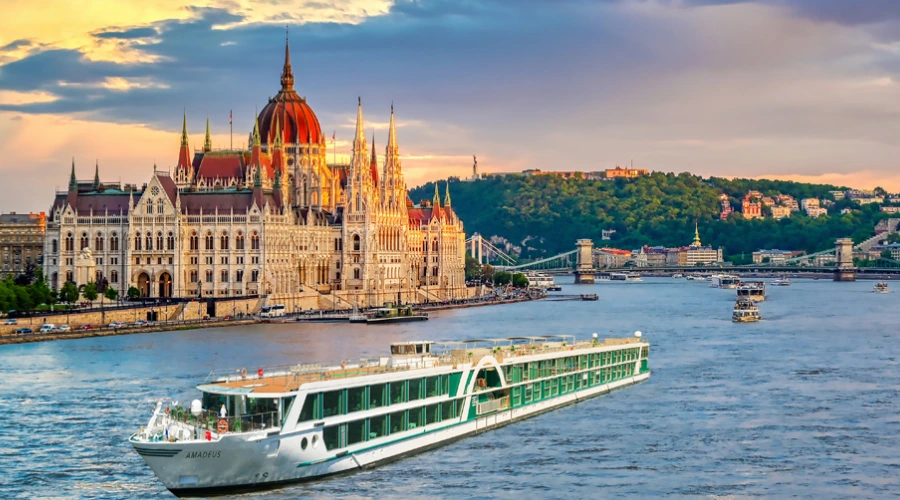
Quick answer
A typical Danube river cruise itinerary spans seven to ten days between Passau, Germany, and Budapest, Hungary, with major stops in Vienna, Bratislava, and the Wachau Valley. Westbound itineraries sail against the current and take slightly longer; eastbound routes move faster downstream. Most vessels depart daily year-round, with embarkation between 09:00 and 20:00 at major boarding points. Shore excursions run three to five hours per port, and most cruises include at least one overnight docking in Vienna or Budapest.
The Danube carries more international river traffic than any waterway on earth, yet the cruise corridor between Germany and Hungary remains remarkably compact. A week-long voyage covers roughly the distance from London to Edinburgh, but crosses four countries and three language zones. That density explains why Danube itineraries emphasize depth over distance—vessels dock for half-day and full-day port calls rather than racing between cities. Most operators sail the Passau-Vienna-Budapest triangle, with variations that extend west to Regensburg or east to the Iron Gates gorge on the Serbian border. The classic route enters Austria through the Wachau Valley, a UNESCO-protected wine region where terraced vineyards climb both banks and medieval abbeys crown the ridgelines. Melk, Dürnstein, and Krems anchor this section, each offering walking access to Baroque monasteries, castle ruins, and tasting rooms. Vienna follows as the itinerary's cultural apex—most cruises allocate two days here, one docked overnight to allow evening concert attendance. Downstream from Vienna, the river widens and the landscape flattens into the Pannonian Basin. Bratislava appears within three hours, compact enough that a morning walking tour covers the old town and hilltop castle before the ship sails for Budapest. The Hungarian capital serves as the eastern terminus for most week-long itineraries, with vessels docking along the Pest embankment within walking distance of the Parliament and the Great Market Hall. Some extended itineraries continue past Budapest into the less-traveled lower Danube, adding Belgrade and Romania's Danube Delta, but these routes require ten to fourteen days. Cruise planning on the Danube hinges on three variables: direction of travel, season, and shore excursion intensity. Westbound sailings move against the current and add six to eight hours of total voyage time compared to eastbound routes, which translates to shorter port windows or an extra sailing day. Eastbound itineraries favor travelers prioritizing more time ashore in each city. Seasonal considerations affect daylight hours and river water levels—spring and autumn offer the longest port-call windows, while summer brings extended evening light for deck viewing but higher passenger volume at major sites.
“A week-long voyage covers roughly the distance from London to Edinburgh, but crosses four countries and three language zones.”
Standard Danube River Cruise Itinerary Patterns
Most Danube river cruises follow a 7-day westbound or eastbound route between Budapest and Passau, with daily port calls allowing 4–6 hours of exploration before departure. This pattern suits travelers seeking structured regional touring with guided excursions at each stop.
Budapest Embarkation
Board in the afternoon at the city's river terminal; vessels typically depart by evening, offering views of the illuminated Parliament and Chain Bridge as you sail overnight toward Bratislava.
Bratislava Morning Call
Dock early for a 4-hour visit to the Old Town and hilltop castle; most ships depart by midday, cruising through the Danube Bend into Austria.
Vienna Full Day
Arrive early morning with port time until late evening; excursions cover Schönbrunn Palace, the Ringstrasse, and the historic center, with optional evening concerts before late departure.
Dürnstein and Melk
Morning stop in Dürnstein for the ruined castle hike or village walk, then afternoon docking at Melk to tour the baroque abbey; both visits total 5–6 hours before overnight sailing.
Linz or Salzburg Excursion
Dock at Linz with options for a city walk or full-day coach transfer to Salzburg (80 km); ships remain in port through the evening to accommodate longer tours.
Passau Arrival
Reach the German border town by late morning; guided walks cover the Old Town confluence and St. Stephen's Cathedral, with 3–4 hours ashore before final evening onboard.
Disembarkation Morning
Depart the vessel after breakfast, typically by 09:00; transfer arrangements to Munich or Vienna are coordinated by the operator.
Best Time for a Danube River Cruise Itinerary
The period from May to September offers the most favorable weather conditions for river navigation and regional exploration. During the day, the best arrival window is 09:00–20:00 to maximize natural light for sightseeing along the riverbanks.
Spring (April-May)
Moderate crowdsMild, 10°C to 20°C
Gardens bloom and temperatures remain comfortable for walking tours.
Summer (June-August)
High crowdsWarm, 20°C to 30°C
Long daylight hours allow for extended viewing of riverfront architecture.
Autumn (September-October)
Moderate crowdsCool, 8°C to 18°C
Harvest festivals occur and foliage creates varied landscapes along the river.
Weekday mornings
Light crowds—
Visiting between 09:00 and 12:00 provides the clearest light for photography before midday peaks.
Verdict: For the best balance of weather and light, plan your travel for mid-week days in May or September, arriving between 09:00 and 20:00.
Getting to Your Danube River Cruise Itinerary Boarding Point
The Danube River flows through Central Europe, with primary embarkation points located in Budapest, Vienna, and Passau. These cities are well-connected by international rail networks and major European airports.
Railjet to Budapest-Keleti
ÖBB Railjet to Wien Hauptbahnhof
ICE to Passau Hauptbahnhof
Direct transfer to river docks
Danube River Cruise Itinerary Fees and Ticket Structure
Access to the Danube River banks is free of charge. Cruise ticket pricing is determined independently by each individual river cruise operator.
Individual travelers pay rates established by specific cruise providers, which vary based on route, duration, and service level.
Opening Hours for Danube River Access
The Danube River and its public riverbanks are accessible to visitors at all times throughout the week. For optimal sightseeing and photography conditions, it is recommended to arrive during the designated window.
| Monday | 00:00–23:59 | |
|---|---|---|
| Tuesday | 00:00–23:59 | |
| Wednesday | 00:00–23:59 | |
| Thursday | 00:00–23:59 | |
| Friday | 00:00–23:59 | |
| Saturday | 00:00–23:59 | |
| Sunday | 00:00–23:59 |
Key Sights on a Danube River Cruise Itinerary
The Danube River cruise route passes several historically significant landmarks and architectural structures. These sites define the landscape of Central Europe as viewed from the water.
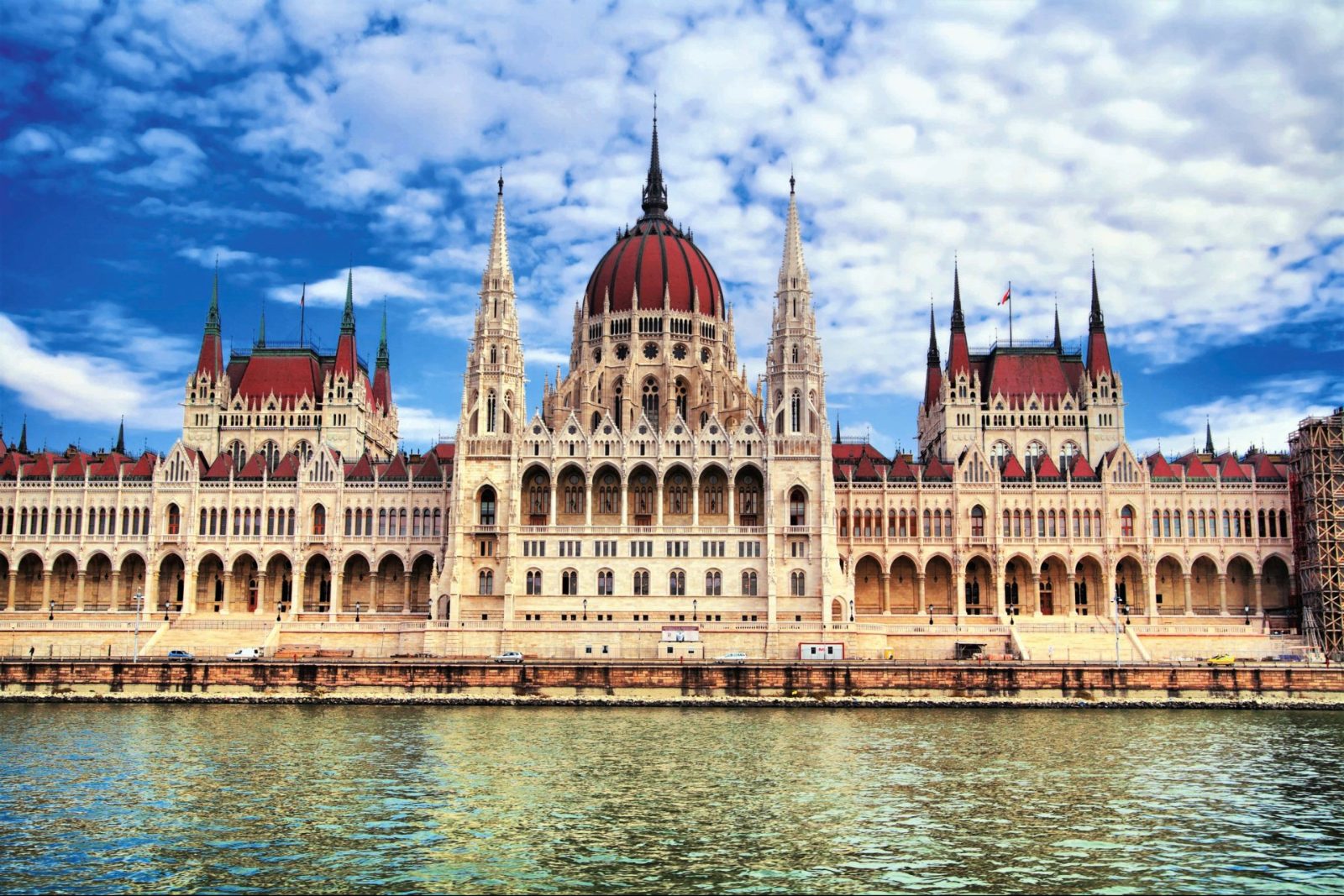
Hungarian Parliament Building
This neo-Gothic structure on the banks of the Danube in Budapest features a central dome and intricate stonework. It remains one of the largest legislative buildings in the world.
View from the river during twilight for exterior illumination.
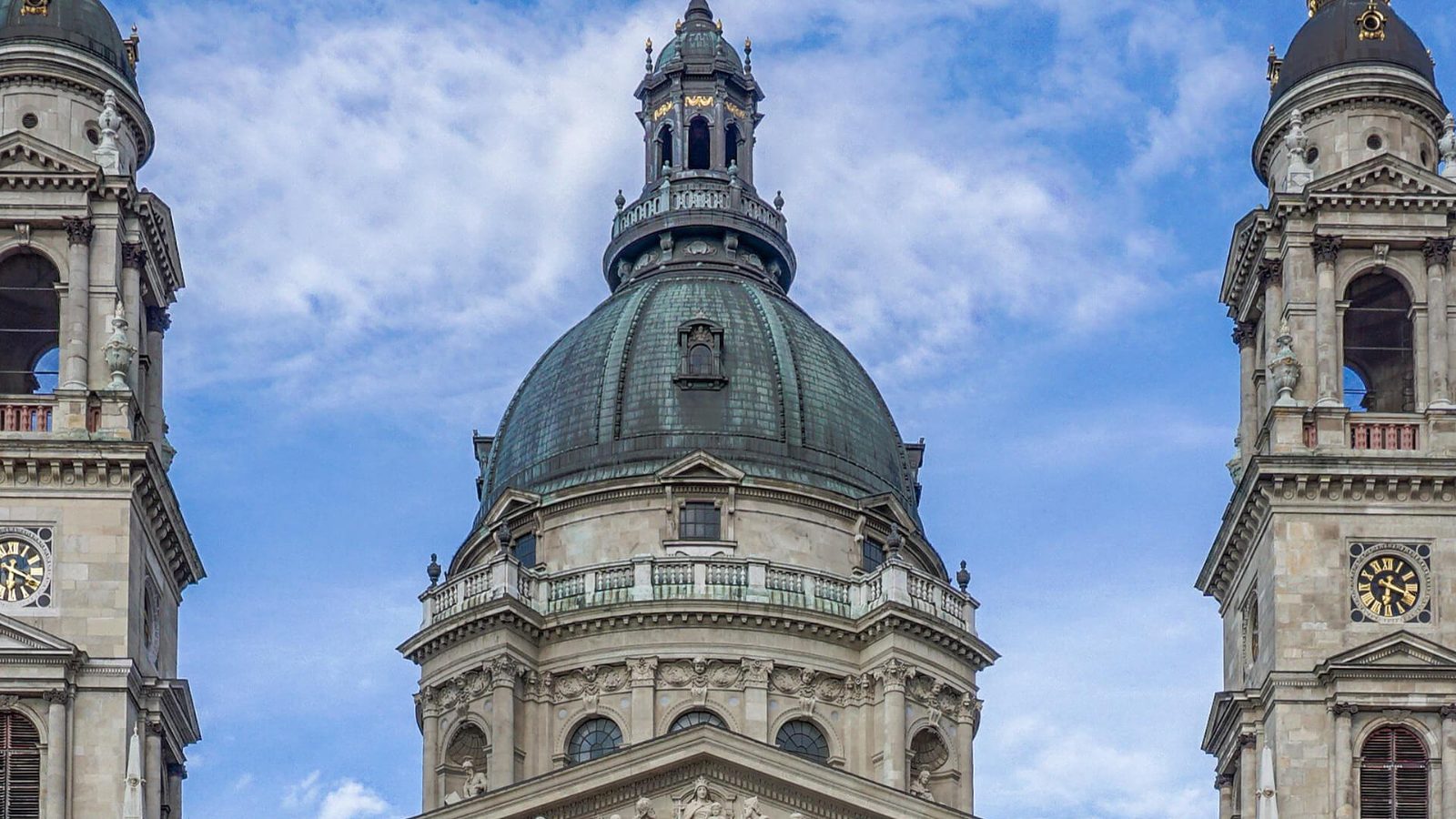
St. Stephen's Basilica
Located near the river in Budapest, this neoclassical basilica houses a significant collection of religious relics. Its dome offers a prominent profile against the city skyline.
Walk to the observation deck for panoramic city views.
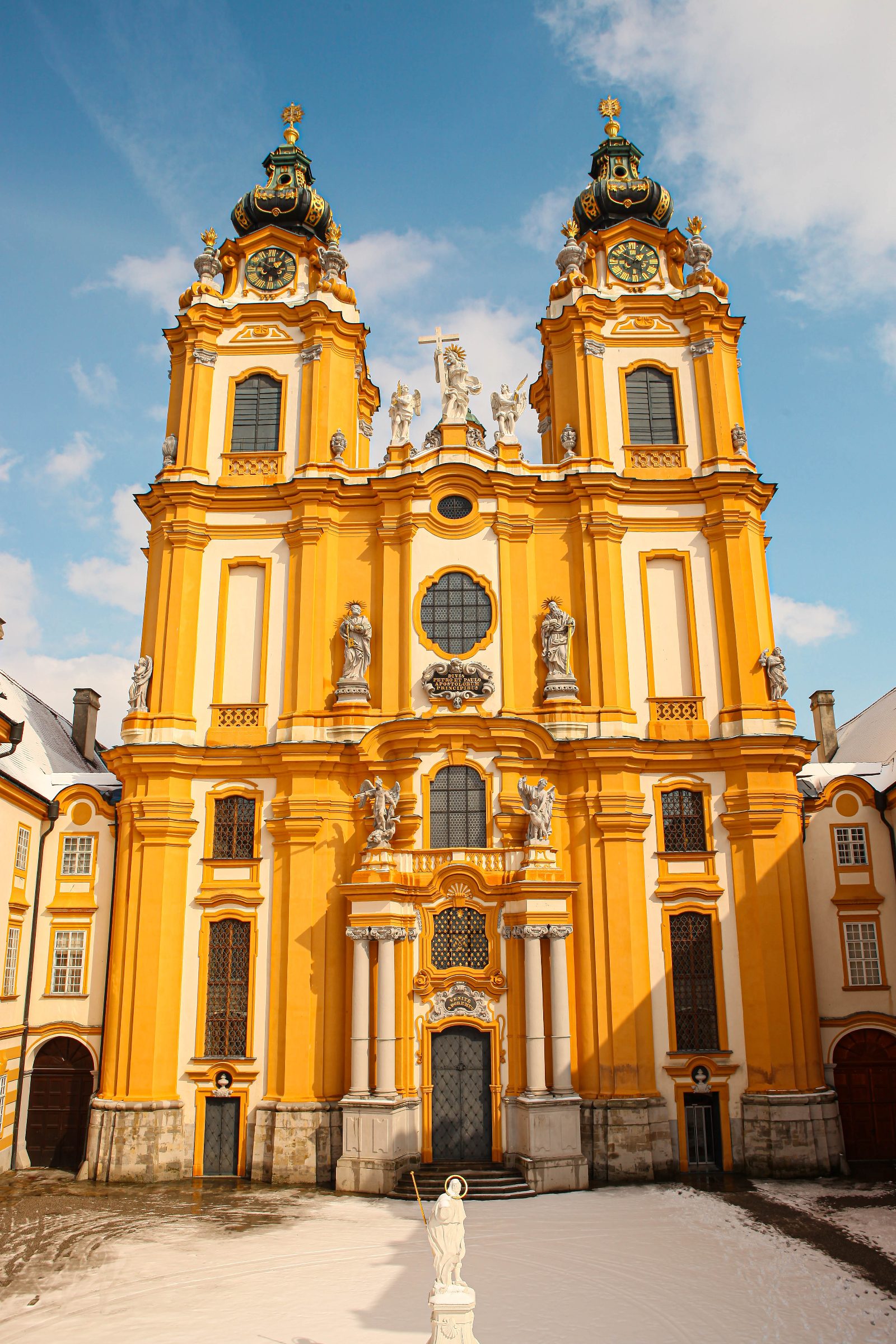
Melk Abbey
Perched on a cliff overlooking the Danube in Austria, this Benedictine abbey is known for its yellow facade and elaborate library. It represents a focal point of Wachau Valley architecture.
Use binoculars to observe the fresco details on the exterior.
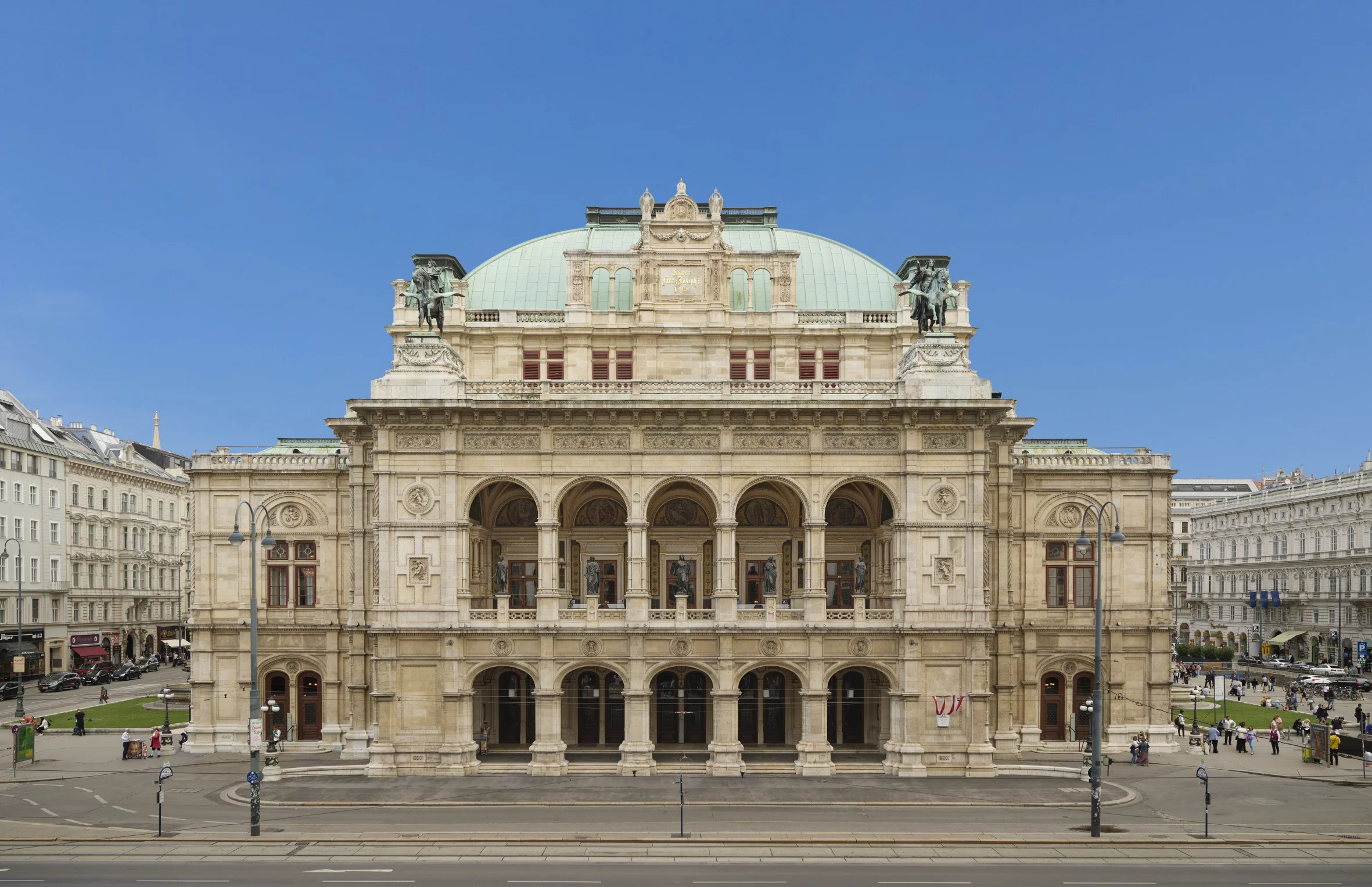
Vienna State Opera
While situated slightly inland from the river, this Renaissance Revival building is a central cultural landmark accessed by cruise guests in Vienna. It serves as a primary hub for classical music performances.
Observe the main facade sculptures before your cruise boarding.
Check availability
Common questions about the Danube river cruise itinerary
Everything you need to know about danube river cruise itinerary